If your family is looking for amazing activities this Christmas, check out
ChristmasInLansing.com, the new website created by South Lansing Christian Church.
Our church created it as a gift to our community. We wanted to have one place where Lansing residents could go to find the best holiday traditions the Capital City has to offer.
Sorted into five categories, including Family Fun, Arts and Music and Christmas Worship, there is something for everyone.
Wednesday, November 28, 2018
Wednesday, November 21, 2018
Is heartburn on the menu this Thanksgiving?
Will the 2018 election intrude on turkey day the way the 2016 election did? That’s the question the Dallas Morning News asked in an article highlighting a study by researchers Keith Chen and Ryan Rhola.
The researchers compared cell phone location data and voting data to analyze how long travelers spent celebrating Thanksgiving with their relatives. Comparing 2015 data with 2016 they observed that families with members who have different political leanings “shortened their dinners by 30 to 50 minutes compared with those who traveled to districts with similar leanings.”
If “family is forever,” we shouldn’t let something as temporary as an election drive a wedge between the most important people in our lives. Here’s a list of things you can do or talk about this Thanksgiving instead of talking about politics:
Letting politics affect your family is giving too much power to those who are already the most powerful among us. Champions of diversity rightly suggest that our variety make us stronger. That we ought to celebrate what makes us uniquely different. Let's bring that same tolerance with us to the dinner table this Thanksgiving.
The researchers compared cell phone location data and voting data to analyze how long travelers spent celebrating Thanksgiving with their relatives. Comparing 2015 data with 2016 they observed that families with members who have different political leanings “shortened their dinners by 30 to 50 minutes compared with those who traveled to districts with similar leanings.”
If “family is forever,” we shouldn’t let something as temporary as an election drive a wedge between the most important people in our lives. Here’s a list of things you can do or talk about this Thanksgiving instead of talking about politics:
- Talk about things you’re thankful for – duh!
- Watch the Lions lose. Again.
- Is there evidence that Paul McCartney died and the Beatles left a series of hidden clues to tell fans?
- Debate who will get dissed by the College Football Playoff Committee.
- Tell deer hunting stories (aka, lies).
- Back in the day when we were kids is always a fun topic.
- If you could invite any person in history to Thanksgiving who would it be?
- If Jesus took the Myers-Briggs test where would he end up?
- Share serial killer fun facts.
- Tryptophan. Is it a thing?
- Play euchre, Monopoly and other games that make your cousin go rage monster and flip the table.
Letting politics affect your family is giving too much power to those who are already the most powerful among us. Champions of diversity rightly suggest that our variety make us stronger. That we ought to celebrate what makes us uniquely different. Let's bring that same tolerance with us to the dinner table this Thanksgiving.
Friday, September 28, 2018
The Other Casualty of the Kavanaugh Hearing: Statesmanship
In the spring of 2015 my wife and I were part of an excursion to Washington, D.C. that included private tours of Mt. Vernon and the U.S. Capital building. Each tour was at night and was magical. The lamplight at Mt. Vernon cast long shadows across hallways George Washington once walked. The Capitol tour was just as memorable. Our footfalls and hushed conversation were the only noise as we walked the empty building’s marble halls.
Our host was a retired congressman from Ohio. As a former member, he retained some congressional privileges including access to the floor of both the House of Representatives and the Senate. As we walked from the House to the Senate I caught up with the congressman. I told him, “I wish there were more statesman in congress. People who would work together, compromise and govern for the good of the American people.”
He stopped, turned, and looked at me as though I had suggested he was the second shooter on the grassy knoll and thundered, “The object isn’t to compromise. The object is TO WIN!”
I thought a lot about that conversation as I watched the Kavanaugh hearing yesterday.
The hearing’s partisan entrenchment revealed two political parties less interested in governing than they are winning.
The Republicans aren’t interested in the truth of what happened or didn’t happen to Dr. Christine Blasey Ford in the summer of 1982. They want to win, which means putting Kavanaugh on the bench before the midterm election. Losing control of the Senate means losing control of the judicial nominating process. Their initial refusal to delay the Kavanaugh vote to allow for an FBI investigation isn’t about their indignation of Democratic obfuscation and delay. It’s about concluding the process by either putting Kavanaugh on the bench or by allowing enough time to vet and ram through another Republican-approved candidate before November 6.
Democrats, wanting to win just as badly, also put partisanship before principles. Before they read a page of Kavanaugh’s writings, or before a single senator met him or had a conversation with him, most Democrats declared their opposition to Kavanaugh’s appointment. Senator Graham noted in his eruption yesterday that only 23 minutes after President Trump named Kavanaugh his nominee Minority Leader Chuck Schumer declared, “I’ll oppose judge Kavanaugh’s nomination with everything. I hope a bipartisan majority will do the same. The stakes are simply too high for anything less.”
Speaking before the Senate Judiciary Committee yesterday Kavanaugh protested,
Democratic protests are ignored by Republicans. Republican intransigence is criticized by Democrats. And why not? When the object is winning instead of governing politicians refuse to listen to reason, to one another, and to public outcry. Listening leads to compromise. And compromise isn’t winning. Lesson: ideology trumps competence when advice and consent is no longer about getting the most competent court but advancing a particular ideology.
It didn’t use to be this way.
Interviewed by Amy Wang of the Washington Post, Justice Ruth Bader Ginsberg said she wished the nomination process were less partisan: “The way it was, was right. The way it is, is wrong …
I wish I could wave a magic wand and have it go back to the way it was.” Ginsburg was confirmed with a 96-3 vote in spite of there being 43 Republican Senators in the 103rd Congress. Did the Republicans have ideological differences with Clinton’s nominee? Certainly. But the chief qualifications expected of previous nominees was whether or not a jurist was unbiased, fair and qualified. Not if they met the specific ideological litmus tests of either party.
Those days are long gone.
Our moonlight tour in 2015 was actually my second trip to Washington. In 1985, about the time Judge Kavanaugh was getting blackout drunk (or not) at Yale University, I was a high school senior. Former Congressman Dan Coats invited students from each high school in his Indiana district to Washington for a week. We met Richard Lugar, as noble a public servant as Indiana ever sent to the Senate. One of our group asked him to explain his thoughts on judicial appointments. He said, “Elections have consequences. The Constitution affords Presidents the privilege of choosing the justices they want, and the Senate’s role is solely to evaluate their qualifications, not whether or not they are ideologically aligned with the majority party.”
Senator Lugar’s career ended abruptly in 2013 when he lost a primary election to a Tea Party backed candidate who became a nightmare for the GOP before being defeated by his Democratic challenger.
What Dick Lugar experienced is what I suspect will happen to Brett Kavanaugh (rightly or wrongly) in this toxic political climate where statesmen are an endangered species, Supreme Court nominees are the majority party’s trophies, and the object is no longer advice and consent but winning at all costs.
Our host was a retired congressman from Ohio. As a former member, he retained some congressional privileges including access to the floor of both the House of Representatives and the Senate. As we walked from the House to the Senate I caught up with the congressman. I told him, “I wish there were more statesman in congress. People who would work together, compromise and govern for the good of the American people.”
He stopped, turned, and looked at me as though I had suggested he was the second shooter on the grassy knoll and thundered, “The object isn’t to compromise. The object is TO WIN!”
I thought a lot about that conversation as I watched the Kavanaugh hearing yesterday.
The hearing’s partisan entrenchment revealed two political parties less interested in governing than they are winning.
The Republicans aren’t interested in the truth of what happened or didn’t happen to Dr. Christine Blasey Ford in the summer of 1982. They want to win, which means putting Kavanaugh on the bench before the midterm election. Losing control of the Senate means losing control of the judicial nominating process. Their initial refusal to delay the Kavanaugh vote to allow for an FBI investigation isn’t about their indignation of Democratic obfuscation and delay. It’s about concluding the process by either putting Kavanaugh on the bench or by allowing enough time to vet and ram through another Republican-approved candidate before November 6.
Democrats, wanting to win just as badly, also put partisanship before principles. Before they read a page of Kavanaugh’s writings, or before a single senator met him or had a conversation with him, most Democrats declared their opposition to Kavanaugh’s appointment. Senator Graham noted in his eruption yesterday that only 23 minutes after President Trump named Kavanaugh his nominee Minority Leader Chuck Schumer declared, “I’ll oppose judge Kavanaugh’s nomination with everything. I hope a bipartisan majority will do the same. The stakes are simply too high for anything less.”
Speaking before the Senate Judiciary Committee yesterday Kavanaugh protested,
A Democratic senator on this committee publicly referred to me as evil. Evil. Think about that word. And said that those that supported me were ‘complicit and evil.’ Another Democratic senator on this committee said, ‘Judge Kavanaugh is your worst nightmare.’ A former head of the Democratic National Committee said, ‘Judge Kavanaugh will threaten the lives of millions of Americans for decades to come.’Is it any surprise GOP Senators questioned the motives and methods of Democratic efforts to insert Dr. Blasey Ford into the nomination process at the eleventh hour? That they announced their opposition to Kavanaugh before testimony was even scheduled revealed that they, like the Republicans, want to win.
Democratic protests are ignored by Republicans. Republican intransigence is criticized by Democrats. And why not? When the object is winning instead of governing politicians refuse to listen to reason, to one another, and to public outcry. Listening leads to compromise. And compromise isn’t winning. Lesson: ideology trumps competence when advice and consent is no longer about getting the most competent court but advancing a particular ideology.
It didn’t use to be this way.
Interviewed by Amy Wang of the Washington Post, Justice Ruth Bader Ginsberg said she wished the nomination process were less partisan: “The way it was, was right. The way it is, is wrong …
I wish I could wave a magic wand and have it go back to the way it was.” Ginsburg was confirmed with a 96-3 vote in spite of there being 43 Republican Senators in the 103rd Congress. Did the Republicans have ideological differences with Clinton’s nominee? Certainly. But the chief qualifications expected of previous nominees was whether or not a jurist was unbiased, fair and qualified. Not if they met the specific ideological litmus tests of either party.
Those days are long gone.
Our moonlight tour in 2015 was actually my second trip to Washington. In 1985, about the time Judge Kavanaugh was getting blackout drunk (or not) at Yale University, I was a high school senior. Former Congressman Dan Coats invited students from each high school in his Indiana district to Washington for a week. We met Richard Lugar, as noble a public servant as Indiana ever sent to the Senate. One of our group asked him to explain his thoughts on judicial appointments. He said, “Elections have consequences. The Constitution affords Presidents the privilege of choosing the justices they want, and the Senate’s role is solely to evaluate their qualifications, not whether or not they are ideologically aligned with the majority party.”
Senator Lugar’s career ended abruptly in 2013 when he lost a primary election to a Tea Party backed candidate who became a nightmare for the GOP before being defeated by his Democratic challenger.
What Dick Lugar experienced is what I suspect will happen to Brett Kavanaugh (rightly or wrongly) in this toxic political climate where statesmen are an endangered species, Supreme Court nominees are the majority party’s trophies, and the object is no longer advice and consent but winning at all costs.
Thursday, February 22, 2018
My Take on the Gun Debate: Tool or Toy
In recent years I have tried to avoid divisive political issues. As a Christ follower commissioned as a pastor, my passion is to reconcile people to Jesus. To that end, I don't want to create barriers between me and someone who doesn't know Jesus. Though I try to carefully calibrate what I post on Facebook (I don't always succeed), I feel a bit more freedom to address such issues in this forum.
I've been often asked – more so recently – about my take on the shooting at Marjory Stoneman Douglas High School and the ensuing gun debate. Here it is. (These thoughts are mine alone. They do not represent the church that employs me. I do not expect everyone to agree with me, and I respect my fellow firearm owners, hunters, and sportsman who have a different take.)
With every firearm in my gun safe I ask, "Is it a tool or a toy?"
Every firearm I own is a tool. My family has shotguns and large caliber rifles for hunting. None of them are semi-automatic. We do own a semi-automatic .22 caliber rifle for target shooting. It is used for practice so we can become more proficient with our deer rifles. As a small-bore rifle it is not considered a deadly weapon in the same sense as large-bore semi-automatic rifles. We also have handguns. Two are .22 caliber target pistols; two are for home defense. Every firearm we own is locked in a gun safe.
Would I like to have an AR style rifle (called "modern sporting rifles" by the people who market them)? Absolutely! I've fired them at the range several times, and they are FUN to shoot! Really fun. But here's the deal: for civilians like me they're not a tool; they're a toy. (Stick with me. The understandable reaction is to say one should not call a weapon that can be used to murder 17 people at a high school a toy.)
Ask firearm enthusiasts why they want to own at AR and though it might take a bit to get to the root reason, it boils down to this: They're cool. I want one. And the Second Amendment says I can have one.
Some claim, "I hunt with it." Many do hunt with modern sporting rifles, I agree. But anything a hunter can do with an AR-15 can be done with a rifle like the Remington Woodmaster 750. It is a semi-automatic, large-bore centerfire rifle that does everything a modern sporting rifle does except look cool and serve as a platform for extreme military-style customization. You will never see a Woodmaster in a Call of Duty video game. They're not nearly cool enough.
Some will say, "I want an AR for home protection." Most gun enthusiasts – AR owners included – admit it isn't the best choice for home defense. Rounds from an AR can pass through walls and harm the very people you're trying to protect. Larger than a pistol, it is less maneuverable in tight quarters like a bedroom hallway. If one insists on a long gun rather than a pistol, home defense experts agree that best long gun for home protection is a slide action shotgun, commonly referred to as a pump shotgun. For one simple reason: the sound it makes when a round is chambered. My police officer friend once told me, "When a thief is climbing through your window and he hears someone rack a pump shotgun, he s---- his pants!"
The other widely-used argument in favor of AR ownership is this: we need the AR to protect Americans from government tyranny. I am not a historian so I will leave the merits of that argument's second-amendment premise to constitutional scholars. That being said, we long ago passed the point at which a well-regulated militia could seriously challenge the United States military.
The modern infantry soldier employs body armor, night-vision capabilities, advanced communication, specialized tactical training, and a military version of the AR-15 that is capable of fully automatic gunfire. That – together with grenades, mortars, mines, tanks, missiles, and aircraft – pretty much ensures that citizen militias armed with modern sporting rifles would be only slightly more effective against the most powerful army on the planet than my buddies and I armed with our duck hunting shotguns.
So, to review: there are hunting weapons that are equal to or superior to the AR; there are home defense weapons that are superior to the AR; and, the argument against a tyrannical government is specious.
There is really only one argument in favor of the AR that is irrefutable: I want one and the constitution says I can have one.
Is it legal? Yes. Is it your right? Yes. Are the massive majority of AR owners responsible and incapable of committing illegal, let alone heinous, acts with their firearms? Yes.
That being said, there is a word for someone who insists on possessing a toy simply because he wants one: a child. When a child exhibits that kind of behavior we call it childlike. But too many gun owners embroiled in the AR debate stamp their feet and with red faces insist on their rights. In adults we call that kind of behavior childish.
I doubt that banning so-called assault rifles will stop mentally deranged Americans from killing other Americans. The problem is far more complex and will require multifaceted solutions including increased mental health funding, increased age restrictions for firearm purchases, parents who actually parent, and a complete rethinking of the way gun violence is glorified in movies and video games.
All of those are possible solutions that need careful consideration and could be enacted, I believe, without infringing on my right to own firearms that serve as tools rather than toys.
To my fellow firearm owners who stand on their constitutional right to purchase modern sporting rifles my question is this: Can you demonstrate for me how an AR serves you as a tool? The vast majority, I think, will be hard pressed to demonstrate a need for an AR-15. Lacking the ability to demonstrate its utility, I must therefore assume that you must simply want it.
It is difficult for me to understand how wanting a toy – one that can be used to commit rapid-fire murder, anyway – is morally defensible as a singular justification for owning one even if it is legal to do so.
If restricting AR ownership is the price I am asked to pay for a child to feel even a little bit safer in his classroom, as an adult I am willing to pay it.
I've been often asked – more so recently – about my take on the shooting at Marjory Stoneman Douglas High School and the ensuing gun debate. Here it is. (These thoughts are mine alone. They do not represent the church that employs me. I do not expect everyone to agree with me, and I respect my fellow firearm owners, hunters, and sportsman who have a different take.)
With every firearm in my gun safe I ask, "Is it a tool or a toy?"
Every firearm I own is a tool. My family has shotguns and large caliber rifles for hunting. None of them are semi-automatic. We do own a semi-automatic .22 caliber rifle for target shooting. It is used for practice so we can become more proficient with our deer rifles. As a small-bore rifle it is not considered a deadly weapon in the same sense as large-bore semi-automatic rifles. We also have handguns. Two are .22 caliber target pistols; two are for home defense. Every firearm we own is locked in a gun safe.
Would I like to have an AR style rifle (called "modern sporting rifles" by the people who market them)? Absolutely! I've fired them at the range several times, and they are FUN to shoot! Really fun. But here's the deal: for civilians like me they're not a tool; they're a toy. (Stick with me. The understandable reaction is to say one should not call a weapon that can be used to murder 17 people at a high school a toy.)
Ask firearm enthusiasts why they want to own at AR and though it might take a bit to get to the root reason, it boils down to this: They're cool. I want one. And the Second Amendment says I can have one.
Some claim, "I hunt with it." Many do hunt with modern sporting rifles, I agree. But anything a hunter can do with an AR-15 can be done with a rifle like the Remington Woodmaster 750. It is a semi-automatic, large-bore centerfire rifle that does everything a modern sporting rifle does except look cool and serve as a platform for extreme military-style customization. You will never see a Woodmaster in a Call of Duty video game. They're not nearly cool enough.
Some will say, "I want an AR for home protection." Most gun enthusiasts – AR owners included – admit it isn't the best choice for home defense. Rounds from an AR can pass through walls and harm the very people you're trying to protect. Larger than a pistol, it is less maneuverable in tight quarters like a bedroom hallway. If one insists on a long gun rather than a pistol, home defense experts agree that best long gun for home protection is a slide action shotgun, commonly referred to as a pump shotgun. For one simple reason: the sound it makes when a round is chambered. My police officer friend once told me, "When a thief is climbing through your window and he hears someone rack a pump shotgun, he s---- his pants!"
The other widely-used argument in favor of AR ownership is this: we need the AR to protect Americans from government tyranny. I am not a historian so I will leave the merits of that argument's second-amendment premise to constitutional scholars. That being said, we long ago passed the point at which a well-regulated militia could seriously challenge the United States military.
The modern infantry soldier employs body armor, night-vision capabilities, advanced communication, specialized tactical training, and a military version of the AR-15 that is capable of fully automatic gunfire. That – together with grenades, mortars, mines, tanks, missiles, and aircraft – pretty much ensures that citizen militias armed with modern sporting rifles would be only slightly more effective against the most powerful army on the planet than my buddies and I armed with our duck hunting shotguns.
So, to review: there are hunting weapons that are equal to or superior to the AR; there are home defense weapons that are superior to the AR; and, the argument against a tyrannical government is specious.
There is really only one argument in favor of the AR that is irrefutable: I want one and the constitution says I can have one.
Is it legal? Yes. Is it your right? Yes. Are the massive majority of AR owners responsible and incapable of committing illegal, let alone heinous, acts with their firearms? Yes.
That being said, there is a word for someone who insists on possessing a toy simply because he wants one: a child. When a child exhibits that kind of behavior we call it childlike. But too many gun owners embroiled in the AR debate stamp their feet and with red faces insist on their rights. In adults we call that kind of behavior childish.
I doubt that banning so-called assault rifles will stop mentally deranged Americans from killing other Americans. The problem is far more complex and will require multifaceted solutions including increased mental health funding, increased age restrictions for firearm purchases, parents who actually parent, and a complete rethinking of the way gun violence is glorified in movies and video games.
All of those are possible solutions that need careful consideration and could be enacted, I believe, without infringing on my right to own firearms that serve as tools rather than toys.
To my fellow firearm owners who stand on their constitutional right to purchase modern sporting rifles my question is this: Can you demonstrate for me how an AR serves you as a tool? The vast majority, I think, will be hard pressed to demonstrate a need for an AR-15. Lacking the ability to demonstrate its utility, I must therefore assume that you must simply want it.
It is difficult for me to understand how wanting a toy – one that can be used to commit rapid-fire murder, anyway – is morally defensible as a singular justification for owning one even if it is legal to do so.
If restricting AR ownership is the price I am asked to pay for a child to feel even a little bit safer in his classroom, as an adult I am willing to pay it.
Monday, September 25, 2017
In memory of Angie Uber
When I arrived as a fresh-faced, newly minted preacher at the Butler Church of Christ twenty years ago, it didn’t take me long to realize that Angie Uber knew a lot more about being a church secretary than I did about being a pastor. Angie passed away last week at age 48. Cancer might have defeated her body, but I feel certain that her spirit thrived.The truth is, I probably never would have gone to that church if it wasn’t for Angie. It had only been a few weeks since Brother Dale resigned before I applied for the position. The fact is, the church hadn’t even advertised they were looking for a new preacher yet, but I knew Dale, heard he had left, and called him up. He told me to go for it, so I sent a cover letter, a resume, and a couple of propaganda pieces that I thought would make me look better than I really was.
Angie was the first person at the church to see the envelope. As I recall, she didn’t even open it, but it was obvious from the shape and the addressee that someone was applying for the job. She could have tossed it in a desk drawer – they hadn’t even begun taking applications, after all. But, as she later told me, she sensed the Holy Spirit telling her she should take my resume to Terry Ulm’s house where the elders were meeting that night. She went out of her way – about ten miles out of her way – and interrupted the elders with her you-aren’t-going-to-believe-what-I-have-here story.
I am so glad she did.
Ron and Angie, and their children, Josh, Cameron and Kaitlin welcomed us into their Butler Church of Christ family. Their kids became friends with ours. My wife, Tracy, and Angie commiserated about the challenges of “dealing with Frank,” one as a wife, the other as church secretary. Angie’s office was a nonsense-free zone., and she tried hard to train me right. When I was annoying, she told me so. When I was unreasonable, she told me that, too. Between my red beard and her red hair there existed the potential for some hot tempers, but I don’t recall that there ever were. (She might tell you differently, but that’s how I remember it.) Any peace that existed between us was because she wasn’t just passionate about her faith, but also because she embodied the grace of the One who was the object of her faith.
Those were some challenging days for our church, and I couldn’t have navigated them without her. She knew everyone in town. She knew their families, where their kids went to school, what jobs they had, and where they went to church (or didn’t). She became the standard by which each of the secretaries I have been privileged to work for is compared. And even after her family moved away, and after our family moved away, Angie and Ron continued to bless the ministry of the Weller family by supporting the work of my missionary daughter, Abigail.
Angie and I haven’t seen each other in years. Though the Weller women stayed in touch with the Uber women, my path and her path diverged. And yet, I miss her more now, knowing that she is gone.
No…not gone.
Just … not here.
She is not gone; she has gone on. Gone on to see her faith become sight; her hopes become fulfilled; her devotion rewarded. In the 175-year-old building that housed our church, our offices were adjoining, separated only by a door. And, really, that’s a little like the way it is now. Angie’s home and mine are separated by death’s door. On this side is the pain of saying goodbye, the heartache of all the “ought-to-have-beens,” and family and friends who long for one more conversation, one more touch, one more moment with her.
But, even though I miss her, I don’t wish her back.
I’m a lot older than I once was and, hopefully, a little wiser. I know that on Angie’s side of death’s door there is “no more death or mourning or crying or pain,” for God has wiped away ever tear from her eyes. And when her closed eyes opened, and her cancer free mind cleared, she was with Jesus.
And that is just as it ought to be.
Tuesday, March 21, 2017
Baptizing Bill and Jenny
The day before my friend Paul died from his two-and-a-half year battle with cancer, I stopped by his hospice room. It was a Sunday afternoon and I was leaving for Australia the next morning.
“Hey Paul,” I said as I walked in the room, “You’re not going to guess who was in church this morning!”
His wife, Christiina, spoke up, “I already told him. Billy and Jenny.”
Paul looked at me and whispered, “You’re welcome.”
It was just like Paul to take credit. Three months earlier and we would have both been laughing about his joke.
Throughout Paul’s battle with cancer he and Christiina prayed lots of prayers, but one was repeated over and over: “God, we want something good to come from this. Something that brings glory to your son, Jesus.”
That prayer has been answered in lots of ways. It was answered Sunday when Bill and Jenny gave their lives to Christ and were baptized.
Bill and Jenny have been gathering with us at South Lansing Christian Church in the weeks since Paul’s death. They're plugged into a small group, and their small group leaders, Chris and Kathy, talked with them last week about what it means to follow Jesus, and why those who do are baptized.
And so, Sunday morning at 10:15, Bill’s sin and Jenny’s sin was washed away. They received the gift of the Holy Spirit. They were promised eternal life.
Jesus said, “there will be rejoicing among the angels of God over one sinner who repents.”
Make that, the angels, plus one: my friend Paul.
Friday, December 02, 2016
An open letter to the author of the hate letter sent to our local mosque
The Lansing State Journal reported today on the photo-copied note you sent to mosques throughout the U.S., including a mosque right here in East Lansing, Michigan. I'm guessing you have another ream of them all stamped and ready to deliver. (Did you use an American flag stamp?) But for the benefit of others who might not have read your tripe, I will post it here.
I don't know who you fancy yourself to be, but let me tell you who you are not.
You're not a Christian
Let's begin with that. "Christian" as a label has become so loaded with cultural meaning that many followers of Jesus won't even use the word. But let's be clear: Christian means someone who follows Jesus. Despite what you might think, you do not. Anyone who espouses hate cannot claim to follow the way of Christ. The Apostle John knew Jesus well. He walked, talked, ate, and ministered with Jesus during a three-year ministry intensive. Here's what John wrote about Jesus:
You're not a patriotic American
I'm guessing you think that you are. You probably have a USA bumper sticker on the back of your American made truck. You sport a flag belt buckle on your Wranglers and have a "Don't Tread on Me" flag hanging from your front porch. But you're not a patriot. Dress up a bigot in patriotic gear and you still have a bigot. Patriots don't write venom like you did. Patriots write:
Like someone did your ancestors.
You're not brave
You're a coward. A handwritten letter? An unsigned letter? I can picture you hunkered down at a Kinko's furtively glancing about, wondering when CIA operatives were going to high rope down from the black helicopters. You're a wimp. A feckless, milksop, namby-pamby weakling. Strong words? Yes, but keep in mind that I'm not calling for any ethnic cleansing.
If you think you can bring your hatred to East Lansing, you'd better come with more than your nameless scrawling. If you're going to attack our neighbors - whatever race or religion - you're going to have to go through the rest of us.
We stand together in Lansing, Michigan. And your hatred isn't welcome.
I don't know who you fancy yourself to be, but let me tell you who you are not.
You're not a Christian
Let's begin with that. "Christian" as a label has become so loaded with cultural meaning that many followers of Jesus won't even use the word. But let's be clear: Christian means someone who follows Jesus. Despite what you might think, you do not. Anyone who espouses hate cannot claim to follow the way of Christ. The Apostle John knew Jesus well. He walked, talked, ate, and ministered with Jesus during a three-year ministry intensive. Here's what John wrote about Jesus:
Dear friends, let us love one another, for love comes from God. Everyone who loves has been born of God and knows God. Whoever does not love does not know God, because God is love. This is how God showed his love among us: He sent his one and only Son into the world that we might live through him. This is love: not that we loved God, but that he loved us and sent his Son as an atoning sacrifice for our sins. Dear friends, since God so loved us, we also ought to love one another. No one has ever seen God; but if we love one another, God lives in us and his love is made complete in us. (1 John 4:7-12)In fact, Jesus said, "They will know we are Christians by our love." Based on that definition, you don't make the cut. So please don't intone, "God Bless the USA" and claim to be a Christian. You're only making the rest of us look bad.
You're not a patriotic American
I'm guessing you think that you are. You probably have a USA bumper sticker on the back of your American made truck. You sport a flag belt buckle on your Wranglers and have a "Don't Tread on Me" flag hanging from your front porch. But you're not a patriot. Dress up a bigot in patriotic gear and you still have a bigot. Patriots don't write venom like you did. Patriots write:
O beautiful for pilgrim feet,Patriots - great patriots - like Dwight Eisenhower would tell the aforementioned "author" and anyone else who worships the President-Elect,
Whose stern, impassioned stress
A thoroughfare for freedom beat
Across the wilderness!
America! America!
God mend thine every flaw,
Confirm thy soul in self-control,
Thy liberty in law!
Never let yourself be persuaded that any one Great Man, any one leader, is necessary to the salvation of America. When America consists of one leader and 158 million followers, it will no longer be America.Mike Gonzalez, a Senior Fellow at The Kathryn and Shelby Coulomb Davis Institute for National Security and Foreign Policy wrote in his article on patriotic assimilation,
Thomas Paine, in the influential 1776 pamphlet Common Sense, likewise observed: “This new World hath been the asylum for the persecuted lovers of civil and religious liberty.” George Washington repeated the sentiment 12 years later almost verbatim when he wrote, “I had always hoped that this land might become a safe and agreeable Asylum to the virtuous and persecuted part of mankind, to whatever nation they might belong.” He also listed the traits Americans needed: The new country would welcome those who were “determined to be sober, industrious and virtuous members of society.”Patriots do not fear immigrants. They foster them to become Americans.
Like someone did your ancestors.
You're not brave
You're a coward. A handwritten letter? An unsigned letter? I can picture you hunkered down at a Kinko's furtively glancing about, wondering when CIA operatives were going to high rope down from the black helicopters. You're a wimp. A feckless, milksop, namby-pamby weakling. Strong words? Yes, but keep in mind that I'm not calling for any ethnic cleansing.
If you think you can bring your hatred to East Lansing, you'd better come with more than your nameless scrawling. If you're going to attack our neighbors - whatever race or religion - you're going to have to go through the rest of us.
We stand together in Lansing, Michigan. And your hatred isn't welcome.
Monday, November 14, 2016
Two myths about Christians and depression
I'm wearing my Charlotte Strong shirt today to honor Ian Hartley, a young man who lost his battle with depression earlier this year. I presided at Ian's funeral surrounded by over 700 his family and friends. The reminders of Ian's fight - and the reason we need to continue his fight - are all around me. Every time I drive past Charlotte. Whenever I see a soccer ball. In the song of an Oriole.
It was Ian's death, partly, that motivated me to preach on mental illness this month at South Lansing Christian Church.
I began the series by debunking two myths about Christians and mental illness.
Myth #1: God’s followers don’t struggle with depression, anxiety or any other form of mental illness.
I know that's just not the case for two reasons. First, the Bible addresses depression and anxiety.
Not only that, but some of the heroes of the faith struggled with depression and anxiety. Who wrote the three verses I just mentioned? King David, and the Apostles Peter and Paul. And they're not alone. The Prophet Elijah was so depressed that he wanted to die. King Solomon had a seemingly perfect life, but he was trapped in a nihilistic spiral of meaninglessness. And Job, whom the scriptures describer as "upright and blameless," became so depressed that he despaired the day of his birth.
If you're a Christ follower who has struggled with depression, anxiety or another mental illness the simple fact is this: you're not alone. Other believers have struggled, too.
Myth #2: Depression, anxiety and other forms of mental illness are evidence of spiritual weakness.
Some of the great Christians of our more recent history struggled with depression and anxiety.
Charles Haddon Spurgeon was the greatest preacher in nineteenth century Europe. He preached to a congregation of 10,000 people every week in London. Yet there were times that he was so debilitated by depression that he could barely function.
A recent study detailed that one in four pastors have struggled with mental illness.
Depression, anxiety, and other mental illnesses are no more a sign of a weak spiritual life than kidney disease or nearsightedness. They are a reminder that we live in a fallen world that longs for God’s restoration and redemption.
Here's the fact about mental illness: it is no respecter of persons. All of us are susceptible and will, at one point or another, personally experience a mental illness or know someone who has.
If you're someone who struggles with depression, anxiety or some other form of mental illness know this: you're not alone. There are resources and people who are here for you. (You can find a list of mental health professionals that our church recommends here.)
It was Ian's death, partly, that motivated me to preach on mental illness this month at South Lansing Christian Church.
I began the series by debunking two myths about Christians and mental illness.
Myth #1: God’s followers don’t struggle with depression, anxiety or any other form of mental illness.
I know that's just not the case for two reasons. First, the Bible addresses depression and anxiety.
Psalm 43:5 (HCSB)Why am I so depressed? Why this turmoil within me? Put your hope in God, for I will still praise Him, my Savior and my God.
1 Peter 5:7 (NIV)Cast all your anxiety on him because he cares for you.
Philippians 4:6-7 (NIV)Do not be anxious about anything, but in every situation, by prayer and petition, with thanksgiving, present your requests to God. And the peace of God, which transcends all understanding, will guard your hearts and your minds in Christ Jesus.The fact that God's word talks about depression and anxiety is powerful evidence that God's people can, and do, struggle with mental illness.
Not only that, but some of the heroes of the faith struggled with depression and anxiety. Who wrote the three verses I just mentioned? King David, and the Apostles Peter and Paul. And they're not alone. The Prophet Elijah was so depressed that he wanted to die. King Solomon had a seemingly perfect life, but he was trapped in a nihilistic spiral of meaninglessness. And Job, whom the scriptures describer as "upright and blameless," became so depressed that he despaired the day of his birth.
If you're a Christ follower who has struggled with depression, anxiety or another mental illness the simple fact is this: you're not alone. Other believers have struggled, too.
Myth #2: Depression, anxiety and other forms of mental illness are evidence of spiritual weakness.
Some of the great Christians of our more recent history struggled with depression and anxiety.
Charles Haddon Spurgeon was the greatest preacher in nineteenth century Europe. He preached to a congregation of 10,000 people every week in London. Yet there were times that he was so debilitated by depression that he could barely function.
Carlos Whittaker is a blogger, musician and worship leader who struggles with panic and anxiety and, what he calls, “it’s ugly cousin, depression.” There are times when he arrives at church to lead worship and he has to sit in his car and do breathing exercise before he can get out and walk into the church building.
A recent study detailed that one in four pastors have struggled with mental illness.
Depression, anxiety, and other mental illnesses are no more a sign of a weak spiritual life than kidney disease or nearsightedness. They are a reminder that we live in a fallen world that longs for God’s restoration and redemption.
Here's the fact about mental illness: it is no respecter of persons. All of us are susceptible and will, at one point or another, personally experience a mental illness or know someone who has.
If you're someone who struggles with depression, anxiety or some other form of mental illness know this: you're not alone. There are resources and people who are here for you. (You can find a list of mental health professionals that our church recommends here.)
Wednesday, November 09, 2016
Four post-election survival strategies
It's going to be okay.
The votes are all counted; half of America is reeling, half of America is somewhere between feeling mildly validated and euphoric.
I’ve already heard from two different women with two very different perspectives on the election. The first, a Clinton voter, told me, “I feel like I'm going to cry and throw up at the same time. I need some help coping with this.”
A second, who voted for Trump told me,
1. Reconnect with time-tested words. Social media is emotional jet fuel. It promotes sharing before thinking and applies heat and friction to already frayed emotions. If you’ve never unplugged from social media, now would be a good time to do so and to reconnect with ancient words. I suggest the Bible. It has outlasted monarchies and political dynasties. The Psalms are older than popes or kings. People were being comforted by Jesus’ words fourteen centuries before there was a United States. Returning again to time-tested words like those might be what is needed for these states to once again be united. Let words like, “Be still and know that I am God,” (Psalm 46:10) wash over you and cleanse you of anxiety.
2. Embrace love. Are you fearful? You’re not alone. The Dow Jones futures dropped 750 points overnight. Silicon Valley investors are calling for California to secede from the union. The website for Canadian immigration was so flooded last night that it crashed. The only antidote for fear is love. One of Jesus followers, John, wrote, “perfect love expels all fear.” (1 John 4:18) If you’re feeling afraid, let God love you, and practice loving others. Christians ought to be the least fearful people on the planet because we are called to be the most loving people on the planet. Love your children; love your parents. Practice love in the workplace; model love in your home. “We love each other because God first loved us.” (1 John 4:19)
3. Do good. Concern about our government’s pursuit (or lack of pursuit) of good ought to propel us to do good ourselves. Are you worried that there are difficult times ahead for immigrants? Volunteer with St. Vincent Catholic Charities Refugee Services program. Do you fear that corporate America now has a blank check to pursue greed and inequality? Be intentional about shopping local. Concerned about cuts in education? Volunteer at an under-resourced school. The Apostle Paul wrote, “Do not be overcome by evil, but overcome evil with good.” (Romans 12:21) The only way evil – I am not speaking of people, but of ideology – has ever been defeated is by good people doing something.
4. Practice "microfocus." I can’t control what happens in the White House, but I can contribute to what happens in my house. My individual efforts will never have an effect on Wall Street, but I can have an impact on Main Street. Republicans, Democrats and Independents agree that we should all take personal responsibility for our choices. So I choose to change what I can and not sweat what I can’t. I choose to love my brother and not despise the foreigner. (Leviticus 19:34) I choose optimism and hope. I reject the catastrophic thinking to which I am so predisposed. I will not be overcome by the circumstances in which I find myself; rather, I choose to change the person over whom I have the most direct control: me.
It’s going to be okay.
Breath.
The sun will come up tomorrow.
As I wrote yesterday, God is still on His throne.
We’re not as fragile as we think.
It’s going to be okay.
The votes are all counted; half of America is reeling, half of America is somewhere between feeling mildly validated and euphoric.
I’ve already heard from two different women with two very different perspectives on the election. The first, a Clinton voter, told me, “I feel like I'm going to cry and throw up at the same time. I need some help coping with this.”
A second, who voted for Trump told me,
We’re not bigots; we’re not racists. I don’t approve of the way Trump speaks about women or the way he reportedly treats them. What I am is tired. I am tired of being dismissed by people in government buildings on the east coast and people in studios on the west coast. I am tired of the code-speak, "white, uneducated, rural voters," when what the elites really mean is "stupid rednecks." We’re the salt of the earth, but the ruling elites of both parties have dismissed the ‘flyover states’ as people who have lost our saltiness and as good for nothing other than being trampled under foot.Whether you’re ecstatic, terrified, or somewhere in between here are four strategies from which we can all benefit:
1. Reconnect with time-tested words. Social media is emotional jet fuel. It promotes sharing before thinking and applies heat and friction to already frayed emotions. If you’ve never unplugged from social media, now would be a good time to do so and to reconnect with ancient words. I suggest the Bible. It has outlasted monarchies and political dynasties. The Psalms are older than popes or kings. People were being comforted by Jesus’ words fourteen centuries before there was a United States. Returning again to time-tested words like those might be what is needed for these states to once again be united. Let words like, “Be still and know that I am God,” (Psalm 46:10) wash over you and cleanse you of anxiety.
2. Embrace love. Are you fearful? You’re not alone. The Dow Jones futures dropped 750 points overnight. Silicon Valley investors are calling for California to secede from the union. The website for Canadian immigration was so flooded last night that it crashed. The only antidote for fear is love. One of Jesus followers, John, wrote, “perfect love expels all fear.” (1 John 4:18) If you’re feeling afraid, let God love you, and practice loving others. Christians ought to be the least fearful people on the planet because we are called to be the most loving people on the planet. Love your children; love your parents. Practice love in the workplace; model love in your home. “We love each other because God first loved us.” (1 John 4:19)
3. Do good. Concern about our government’s pursuit (or lack of pursuit) of good ought to propel us to do good ourselves. Are you worried that there are difficult times ahead for immigrants? Volunteer with St. Vincent Catholic Charities Refugee Services program. Do you fear that corporate America now has a blank check to pursue greed and inequality? Be intentional about shopping local. Concerned about cuts in education? Volunteer at an under-resourced school. The Apostle Paul wrote, “Do not be overcome by evil, but overcome evil with good.” (Romans 12:21) The only way evil – I am not speaking of people, but of ideology – has ever been defeated is by good people doing something.
4. Practice "microfocus." I can’t control what happens in the White House, but I can contribute to what happens in my house. My individual efforts will never have an effect on Wall Street, but I can have an impact on Main Street. Republicans, Democrats and Independents agree that we should all take personal responsibility for our choices. So I choose to change what I can and not sweat what I can’t. I choose to love my brother and not despise the foreigner. (Leviticus 19:34) I choose optimism and hope. I reject the catastrophic thinking to which I am so predisposed. I will not be overcome by the circumstances in which I find myself; rather, I choose to change the person over whom I have the most direct control: me.
It’s going to be okay.
Breath.
The sun will come up tomorrow.
As I wrote yesterday, God is still on His throne.
We’re not as fragile as we think.
It’s going to be okay.
Tuesday, November 08, 2016
The day after the election
I voted this morning and, for the first time in my life, I went to the polls as an undecided voter. After I cast my ballot, the election official offered me an "I Voted" sticker. I refused. Frankly, I am not proud of the vote I cast. I am not pleased with either major candidate.
This election was the worst in my lifetime: a woman who is corrupt on a heretofore unforeseen scale; a man whose vulgarity eclipses any candidate in my memory and perhaps in American history; and a bruised and bloodied electorate that limped to the polls with this one thought in mind: is this over yet?
But what about tomorrow? What about November 9?
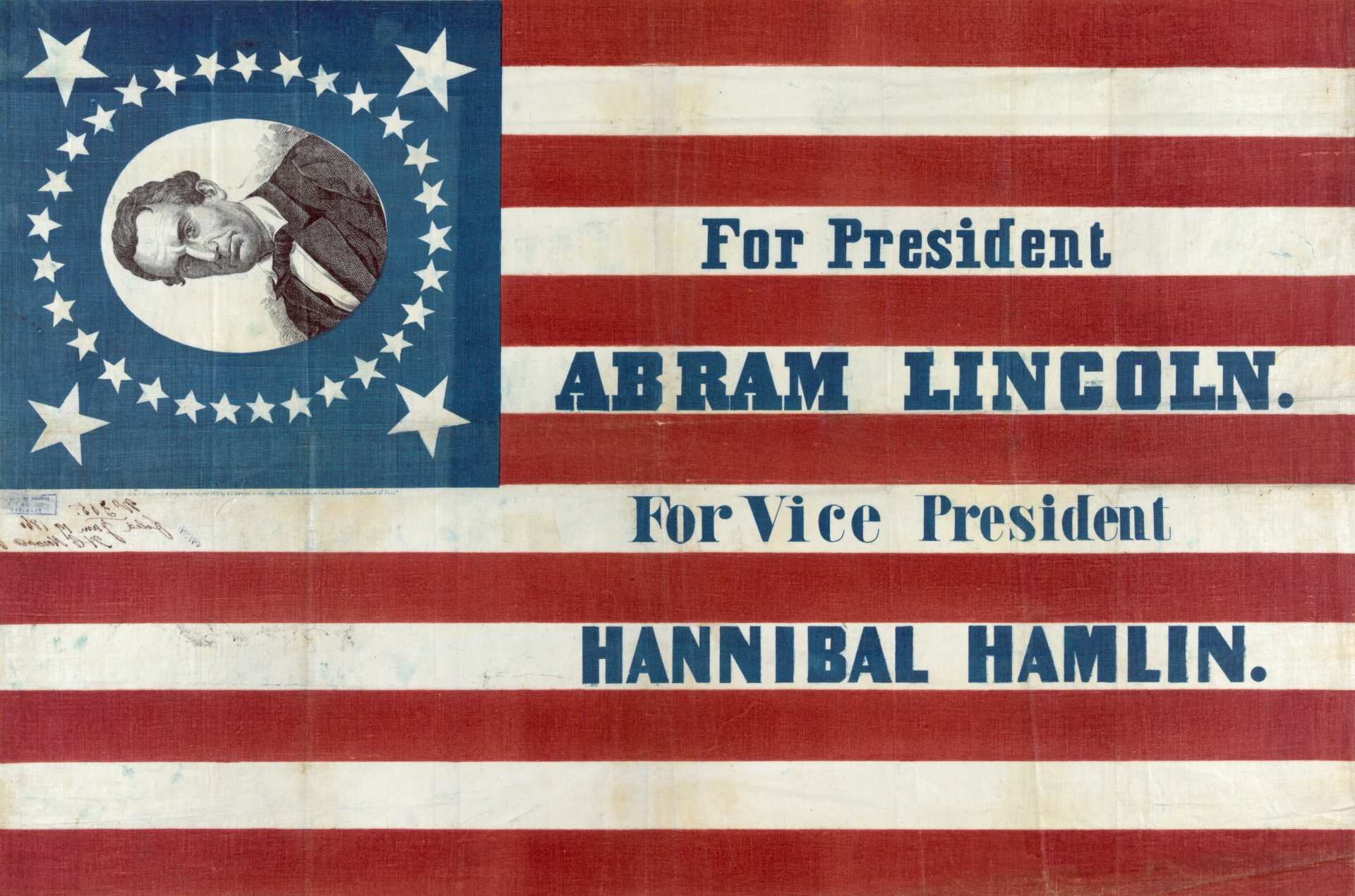
When Abraham Lincoln was elected America's sixteenth President, the Jackson Mississippian called he and the Vice-President elect, "... bigoted, unscrupulous and cold-blooded enemies of the peace and equality..." The New Orleans Courier decried Lincoln supporters as "hordes of fanatics and
negrophilists," and predicted,
A hundred years later John F. Kennedy was narrowly elected the first Catholic President of the United
States. The next day the Chicago Tribune editorialized, “We are disappointed, of course, and so, too, are just short of half of the men and women who went to the polls on Tuesday. But they were outvoted and now they accept the verdict. So do we.”
On November 9, 1960 God was still on his throne.
On election day in 1988 many thought little of George H.W. Bush and his running mate, Dan Quayle. John Kerry, himself a future Presidential candidate actually said, "The Secret Service is under orders that if Bush is shot, to shoot Quayle."
On November 9, 1988 God was still on his throne.
A decade after George W. Bush emerged from his contested election with Al Gore, the Daily Beast wrote,
Following President Obama's reelection in 2012, the histrionic Glenn Beck urged Americans to "buy guns, ammo, and stock up on farmland because this President will destroy America."
But on November 7, 2012, God was still on his throne.
And he will be tomorrow, too.
So tomorrow, the day after we hear either, "Madam President," or "President Trump," – words that half the country celebrates and half the country dreads – let's commit to these two honorable and immutable truths: We can trust God and we need to pray for the new President.
This election was the worst in my lifetime: a woman who is corrupt on a heretofore unforeseen scale; a man whose vulgarity eclipses any candidate in my memory and perhaps in American history; and a bruised and bloodied electorate that limped to the polls with this one thought in mind: is this over yet?
But what about tomorrow? What about November 9?
When Abraham Lincoln was elected America's sixteenth President, the Jackson Mississippian called he and the Vice-President elect, "... bigoted, unscrupulous and cold-blooded enemies of the peace and equality..." The New Orleans Courier decried Lincoln supporters as "hordes of fanatics and
negrophilists," and predicted,
The crisis now impending upon the whole country is a necessary consequence of the abnormal condition into which our dearest and most sacred institutions have been plunged by the success of our avowedly unrelenting enemies. . . .Guess what? The day after the election, on November 7, 1860 God was still on His throne.
The unmistakable fact stares us in the face that we are now in a state of danger unparalleled in the annals of our history …
A hundred years later John F. Kennedy was narrowly elected the first Catholic President of the United
States. The next day the Chicago Tribune editorialized, “We are disappointed, of course, and so, too, are just short of half of the men and women who went to the polls on Tuesday. But they were outvoted and now they accept the verdict. So do we.”
On November 9, 1960 God was still on his throne.
On election day in 1988 many thought little of George H.W. Bush and his running mate, Dan Quayle. John Kerry, himself a future Presidential candidate actually said, "The Secret Service is under orders that if Bush is shot, to shoot Quayle."
On November 9, 1988 God was still on his throne.
A decade after George W. Bush emerged from his contested election with Al Gore, the Daily Beast wrote,
The obvious problem with making Bush president was the fact of the Bush presidency, a catastrophe in so many directions at once that presidential historians argue today about whether Bush was the worst president in American history or merely the worst since Grant, Buchanan, or Johnson (Andrew, not Lyndon).God was on his throne the day after the nation's ballots were cast, and they day after the Florida's were certified. He remained on his throne ten years later for the Daily Beast's post-mortem.
Following President Obama's reelection in 2012, the histrionic Glenn Beck urged Americans to "buy guns, ammo, and stock up on farmland because this President will destroy America."But on November 7, 2012, God was still on his throne.
And he will be tomorrow, too.
So tomorrow, the day after we hear either, "Madam President," or "President Trump," – words that half the country celebrates and half the country dreads – let's commit to these two honorable and immutable truths: We can trust God and we need to pray for the new President.
"Why am I discouraged? Why is my heart so sad? I will put my hope in God! I will praise him again— my Savior and my God!" (Psalm 43:5)
"I urge you, first of all, to pray for all people. Ask God to help them; intercede on their behalf, and give thanks for them. Pray this way for kings and all who are in authority so that we can live peaceful and quiet lives marked by godliness and dignity. This is good and pleases God our Savior, 4who wants everyone to be saved and to understand the truth." (1 Timothy 2:1-4)
Friday, August 19, 2016
Olympic gold
I was able to watch all of the US gold medal moments during the Rio Olympics back to back thanks to the NBC Sports app. It is an interesting perspective because I know when the event begins that each athlete has already won. Nevertheless, I find myself captivated by their performances. Regardless of the event, watching the competitors battle through adversity and pain, facing each challenge as they come – it’s compelling.
I feel the same way watching people from my church. They’re winners, too. They’ve already been adopted by Heavenly Father, and their names are written in the Lambs Book of Life. But that doesn’t mean they never struggle. They get knocked down. Their shining moments are sometimes few and far between.
They may not have gold medals hanging from their necks, but they’re going to be walking streets of gold. That is what God promised, and it’s what Christ secured when he defeated death and sin on the cross. And so, every believer can say along with Paul, “I have fought the good fight, I have finished the race, and I have remained faithful. And now the prize awaits me—the crown of righteousness, which the Lord, the righteous Judge, will give me on the day of his return. And the prize is not just for me but for all who eagerly look forward to his appearing.”
I feel the same way watching people from my church. They’re winners, too. They’ve already been adopted by Heavenly Father, and their names are written in the Lambs Book of Life. But that doesn’t mean they never struggle. They get knocked down. Their shining moments are sometimes few and far between.
They may not have gold medals hanging from their necks, but they’re going to be walking streets of gold. That is what God promised, and it’s what Christ secured when he defeated death and sin on the cross. And so, every believer can say along with Paul, “I have fought the good fight, I have finished the race, and I have remained faithful. And now the prize awaits me—the crown of righteousness, which the Lord, the righteous Judge, will give me on the day of his return. And the prize is not just for me but for all who eagerly look forward to his appearing.”
Friday, March 04, 2016
Archie Bunker and the Politics of Donald Trump
Back when our television took a minute to "warm up" my folks and I gathered around the set each night to watch reruns of Carrol O’Conner and Jean Stapleton’s hit show All in the Family. My dad cracked up whenever Archie insulted his son-in-law, Meathead. As a UAW factory worker Pop connected to Archie. I related to Edith in whom I saw my grandmother, a nervous housewife flitting about trying to keep peace between her husband and the kids.
The show began the same way each week: Archie and Edith sitting at the family piano singing the theme song before a live studio audience:
I get it. I understand.
I don’t like change all that much either. Even a lot of the good ones.
When I was a kid we’d get one, maybe two phone calls a day. We shared a party line with our three neighbors. If nobody was home you tried again later. These days I can’t get away from my iPhone. I was out of the office two days this week and returned to 133 unread emails, most of which were the modern-day equivalent of the JC Penney catalog and Ed McMahon telling me that I might already be a winner.
My great-great-great grandfather Joseph Weller moved to DeKalb County, Indiana in 1862. Most of the Wellers are still there. My grandfather lived (and died) on the same farm that his grandfather lived and died on. My wife and I moved eleven times in our first ten years of marriage. Now we live in Michigan. My sister lives in Africa. When she moved there we had to communicate by airmail on onion-skin paper. My daughter lives in Australia, and we speak face-to-face on Skype for free.
My high school had one black student, a guy who was rumored to have some beef with his basketball coach in Ft. Wayne. He transferred to Garrett High and started every game. Turned out his dad was my dad's boss at the plant; the whole school loved the kid. Still, our town was so white that our idea of diversity was crop rotation. Diversity is celebrated these days, as it should be. When I was at the grocery earlier tonight (buying lactose free “milk”) I overheard conversations in three different languages.
I knew one guy in high school that I thought might be gay. These days sexual identity isn’t just mainstreamed. For social conservatives it feels like it’s the whole river. All over America county clerks are striking the words “bride” and “groom” from marriage licenses. When I was a kid Bruce was on a cereal box; now Kait is, well, everywhere, it seems. Some church officials cover up sexual immorality and others wonder if they’ll be required to endorse it through forced same-sex weddings.
I’m guessing the rest of Charles Strouse’s lyrics to Those Were the Days were too politically incorrect, for even Archie:
Freaks . . . short hair . . . long skirts . . . judgmental words from folks who "don’t know just what went wrong." But Trump is counting on his electorate's uneasy feeling that something is wrong.
So when The Donald shouts, “I’m going to make America great again!”, what I suspect a lot of his supporters are hearing is that he is going to remove whichever of Archie Bunker’s pebbles have become lodged in their loafers.
I’m guessing that Trump knows even he can’t turn the clock back. Truthfully, I don’t think that matters to him. But he is counting on being able to get elected by promising that he can.
The show began the same way each week: Archie and Edith sitting at the family piano singing the theme song before a live studio audience:
Boy the way Glenn Miller Played
Songs that made the Hit Parade
Guys like us we had it made
Those were the days
And you knew who you were then
Girls were girls and men were men
Mister, we could use a man like Herbert Hoover again
Didn't need no Welfare statesWatching the GOP debate tonight it hit me: Donald Trump’s demographic is the Archie Bunker vote. Folks who had what my late friend Rod Cameron called “a crawdad mentality - gazing longingly at the past while backing reluctantly into the future.” Fear is the root emotion for “guys like us” who “had it made.”
Everybody pulled his weight
Gee our old Lasalle ran great
Those were the days
I get it. I understand.
I don’t like change all that much either. Even a lot of the good ones.
When I was a kid we’d get one, maybe two phone calls a day. We shared a party line with our three neighbors. If nobody was home you tried again later. These days I can’t get away from my iPhone. I was out of the office two days this week and returned to 133 unread emails, most of which were the modern-day equivalent of the JC Penney catalog and Ed McMahon telling me that I might already be a winner.
My great-great-great grandfather Joseph Weller moved to DeKalb County, Indiana in 1862. Most of the Wellers are still there. My grandfather lived (and died) on the same farm that his grandfather lived and died on. My wife and I moved eleven times in our first ten years of marriage. Now we live in Michigan. My sister lives in Africa. When she moved there we had to communicate by airmail on onion-skin paper. My daughter lives in Australia, and we speak face-to-face on Skype for free.
My high school had one black student, a guy who was rumored to have some beef with his basketball coach in Ft. Wayne. He transferred to Garrett High and started every game. Turned out his dad was my dad's boss at the plant; the whole school loved the kid. Still, our town was so white that our idea of diversity was crop rotation. Diversity is celebrated these days, as it should be. When I was at the grocery earlier tonight (buying lactose free “milk”) I overheard conversations in three different languages.
I knew one guy in high school that I thought might be gay. These days sexual identity isn’t just mainstreamed. For social conservatives it feels like it’s the whole river. All over America county clerks are striking the words “bride” and “groom” from marriage licenses. When I was a kid Bruce was on a cereal box; now Kait is, well, everywhere, it seems. Some church officials cover up sexual immorality and others wonder if they’ll be required to endorse it through forced same-sex weddings.
I’m guessing the rest of Charles Strouse’s lyrics to Those Were the Days were too politically incorrect, for even Archie:
People seemed to be content
$50 payed the rent
Freaks were in a circus tent
Those were the days
Take a little Sunday spin
Tonight I'll watch the Dodgers win
Have yourself a dandy day that cost you under a fin
Hair was short and skirts were long
Kate Smith really sung the song
I don't know just what went wrong
Those were the days!
Freaks . . . short hair . . . long skirts . . . judgmental words from folks who "don’t know just what went wrong." But Trump is counting on his electorate's uneasy feeling that something is wrong.
So when The Donald shouts, “I’m going to make America great again!”, what I suspect a lot of his supporters are hearing is that he is going to remove whichever of Archie Bunker’s pebbles have become lodged in their loafers.
I’m guessing that Trump knows even he can’t turn the clock back. Truthfully, I don’t think that matters to him. But he is counting on being able to get elected by promising that he can.
Monday, November 09, 2015
Surprised by God . . . again!
God still has the capacity to surprise me. I don't know why. His capacity to astonish me is certainly nothing new.
But the way I saw God show up this last week is too exciting to keep to myself.
At last month’s elders’ meeting our mission team proposed that our church become ministry partners with Sidd and Sangheetha, two former South Lansing Christian Church members who returned home last year to India. They were a huge part of our church, with Sidd serving as a deacon and Sangs being involved in our women’s small groups. I was sad to see them leave, but was inspired for their chief reason for returning to India.
Their families are not Christians, and Sidd and Sangs wanted to share the gospel with them. Thats all you need to know about them to know how much they love God and want to serve Him.
As they've followed God's leading, He has moved in the hearts of their siblings and parents. We continue to pray for them as the Holy Spirit convicts them that Jesus is the Christ.
In addition to reaching their families, Sangs has also become active in reaching out to battered women. Domestic violence is common where they live, and Sangs has had lots of opportunities to share Jesus with women who are in really bad situations. With this in mind, our mission team has been trying to figure out a way to financially partner with them.
It is there – at the intersection of need and resource – that I saw God at work.
I happened to have lunch with a group of ministers last week and connected with an old friend who works for a mission agency that is has ministries in India. As I told him about Sidd and Sangs he asked what city they are in. When I told him he said, “Frank, I have been looking for someone that I can partner with in their city. In order for our mission to expand there we have to have a local representative. Give me their email so I can contact them.” Now, I don’t know if it will all work out for that partnership to develop, but isn’t it just like God to orchestrate something like that?
But God wasn’t finished amazing me! As you know, we gathered Sunday to pray for the persecuted church. I specifically mentioned Sidd and Sangs and the work that they do. Wally asked you to pray for them during our prayer time. Afterward Jeff Badgero, the father of Brenda Glinke, approached me. Jeff asked where Sidd and Sangs live and I told him.
“I’ve been there twice,” he said, “In fact, I was there for five weeks last year and know dozens of Christians in their city. Give me their email and I will connect with them.”
There are no coincidences in the Kingdom of God, only divine connections. That is what God did yesterday, and I just wanted you to know.
With that in mind, what divine connection is God going to make for you this week? Maybe he has someone he wants you to invite to church. Maybe there is a struggling couple that could use a night away from their kids to reconnect. Maybe God is going to put you in the worst checkout lane ever so you can be a bright light of hope to a cashier that is in a dark place.
Its funny what happens when God shows up where you don’t expect Him.
You start to find yourself looking for him a little more frequently.
And it turns out He is pretty easy to find.
But the way I saw God show up this last week is too exciting to keep to myself.
At last month’s elders’ meeting our mission team proposed that our church become ministry partners with Sidd and Sangheetha, two former South Lansing Christian Church members who returned home last year to India. They were a huge part of our church, with Sidd serving as a deacon and Sangs being involved in our women’s small groups. I was sad to see them leave, but was inspired for their chief reason for returning to India.
Their families are not Christians, and Sidd and Sangs wanted to share the gospel with them. Thats all you need to know about them to know how much they love God and want to serve Him.
As they've followed God's leading, He has moved in the hearts of their siblings and parents. We continue to pray for them as the Holy Spirit convicts them that Jesus is the Christ.
In addition to reaching their families, Sangs has also become active in reaching out to battered women. Domestic violence is common where they live, and Sangs has had lots of opportunities to share Jesus with women who are in really bad situations. With this in mind, our mission team has been trying to figure out a way to financially partner with them.
It is there – at the intersection of need and resource – that I saw God at work.
I happened to have lunch with a group of ministers last week and connected with an old friend who works for a mission agency that is has ministries in India. As I told him about Sidd and Sangs he asked what city they are in. When I told him he said, “Frank, I have been looking for someone that I can partner with in their city. In order for our mission to expand there we have to have a local representative. Give me their email so I can contact them.” Now, I don’t know if it will all work out for that partnership to develop, but isn’t it just like God to orchestrate something like that?
But God wasn’t finished amazing me! As you know, we gathered Sunday to pray for the persecuted church. I specifically mentioned Sidd and Sangs and the work that they do. Wally asked you to pray for them during our prayer time. Afterward Jeff Badgero, the father of Brenda Glinke, approached me. Jeff asked where Sidd and Sangs live and I told him.
“I’ve been there twice,” he said, “In fact, I was there for five weeks last year and know dozens of Christians in their city. Give me their email and I will connect with them.”
There are no coincidences in the Kingdom of God, only divine connections. That is what God did yesterday, and I just wanted you to know.
With that in mind, what divine connection is God going to make for you this week? Maybe he has someone he wants you to invite to church. Maybe there is a struggling couple that could use a night away from their kids to reconnect. Maybe God is going to put you in the worst checkout lane ever so you can be a bright light of hope to a cashier that is in a dark place.
Its funny what happens when God shows up where you don’t expect Him.
You start to find yourself looking for him a little more frequently.
And it turns out He is pretty easy to find.
Friday, November 06, 2015
A lawyer's take on the prodigal son
A woman from our church brought a guest with her to our recent Friend Day at South Lansing Christian Church. I preached from Luke 15 about the lost son. You might remember the parable.
The younger of two sons asks his father to divide his estate and give him his share. This was shocking as he was basically telling his father, “I wish you were dead!” The father gave him what he asked for and, shortly thereafter, the son set off for a distant land and squandered all of his wealth in wild living. When a severe famine broke out in that distant country, the son determined to go home and beg his father to take him back, not as a son, but as a household servant. He journeyed home, and when he crested the horizon and his father saw him, the family patriarch ran to his son and showered him with kisses. He put a robe on his back, a ring on his finger and shoes on his feet – all signs that he was completely accepted and forgiven.
The older son, meanwhile, heard the commotion from the party that his father threw to celebrate his son’s return. When he inquired about the noise he learned that his wayward brother was back, and he reacted with bitterness.
I’ve never noticed that before. I have always thought the older brother’s objection was rooted, primarily, in his father’s failure to recognize his faithfulness and hard work. And certainly that must have played a part in his anger. But his frustration must have also been economic. How dare the father give away what belonged to him? That’s just not right!
The older brother’s biggest problem was that he felt entitled. He didn’t view his inheritance as a gift, but rather as something he had earned. If you earn something, it isn’t a gift; it’s a wage. Naturally, the brother was upset because he saw the father’s generosity cutting into his wages. He couldn’t accept that the father would grace his wayward sibling with such extravagance. It was unjust.
But then grace is always unjust.
One of Jesus’ earliest followers, Paul, made clear the distinction between what is earned and what is gifted in Romans 6:23 – “The wages of sin is death, but the gift of God is eternal life in Christ Jesus our Lord.” The big difference between the younger brother and the older brother was their understanding of grace. One embraced it and was awed by the father’s incredible love. The other rejected it and wallowed in bitterness.
Grace is never fair, and it’s never just.
It’s just grace.
An undeserved gift given to people who have wandered far from the Father and are amazed that he takes them back.
The younger of two sons asks his father to divide his estate and give him his share. This was shocking as he was basically telling his father, “I wish you were dead!” The father gave him what he asked for and, shortly thereafter, the son set off for a distant land and squandered all of his wealth in wild living. When a severe famine broke out in that distant country, the son determined to go home and beg his father to take him back, not as a son, but as a household servant. He journeyed home, and when he crested the horizon and his father saw him, the family patriarch ran to his son and showered him with kisses. He put a robe on his back, a ring on his finger and shoes on his feet – all signs that he was completely accepted and forgiven.
The older son, meanwhile, heard the commotion from the party that his father threw to celebrate his son’s return. When he inquired about the noise he learned that his wayward brother was back, and he reacted with bitterness.
The older brother became angry and refused to go in. So his father went out and pleaded with him. But he answered his father, "Look! All these years I’ve been slaving for you and never disobeyed your orders. Yet you never gave me even a young goat so I could celebrate with my friends. But when this son of yours who has squandered your property with prostitutes comes home, you kill the fattened calf for him!"
"My son," the father said, "you are always with me, and everything I have is yours. But we had to celebrate and be glad, because this brother of yours was dead and is alive again; he was lost and is found."The guest my friend brought had an interesting and thoughtful reaction that I have never considered. She is an attorney as it happens, and she noticed the father’s words, “everything I have is yours.” She noted that the older brother had every right to be angry. After all, the robe the father gave his younger son? It belonged to the elder. The ring? The shoes? Each was part of the older son’s inheritance. The fattened calf roasting on the spit? It was the older son’s bullock.
I’ve never noticed that before. I have always thought the older brother’s objection was rooted, primarily, in his father’s failure to recognize his faithfulness and hard work. And certainly that must have played a part in his anger. But his frustration must have also been economic. How dare the father give away what belonged to him? That’s just not right!
The older brother’s biggest problem was that he felt entitled. He didn’t view his inheritance as a gift, but rather as something he had earned. If you earn something, it isn’t a gift; it’s a wage. Naturally, the brother was upset because he saw the father’s generosity cutting into his wages. He couldn’t accept that the father would grace his wayward sibling with such extravagance. It was unjust.
But then grace is always unjust.
One of Jesus’ earliest followers, Paul, made clear the distinction between what is earned and what is gifted in Romans 6:23 – “The wages of sin is death, but the gift of God is eternal life in Christ Jesus our Lord.” The big difference between the younger brother and the older brother was their understanding of grace. One embraced it and was awed by the father’s incredible love. The other rejected it and wallowed in bitterness.
Grace is never fair, and it’s never just.
It’s just grace.
An undeserved gift given to people who have wandered far from the Father and are amazed that he takes them back.
Tuesday, June 30, 2015
Here’s Why Your Pastor Didn't Say Anything About the SCOTUS Gay-Marriage Ruling
Three days have passed since the SCOTUS same-sex marriage ruling and the bloggers are a bloggin’ and the preachers are a preachin’.
Just not yours.
Sunday came and went at your church with nary a word about gays, marriage, SCOTUS or anything associated therewith. Pastor didn’t ask you to pray about the ruling, and there was no surprise homily from Romans 1. You keep checking the church blog and clicking on his Facebook page, but there's neither a rainbow filter on pastor’s profile picture, nor handwringing about the church losing its not-for-profit status.
Just silence.
It isn’t because he doesn't have an position. Trust me, he does. He has a carefully thought out opinion that he can persuasively articulate. Nor is it because she doesn’t study her Bible. She has. The fanciful theological convolutions that some scholars “recently discovered” - your pastor thinks them hubris. For recently minted seminarians to jettison two millennia of theology? The arrogance is offensive.
So why the silence? If your pastor has yet to articulate his or her thoughts on the subject, here are six reasons why your preacher might be sitting this one out.
Because she cares more about making a difference than making a point.
Here’s the deal: your preacher really loves people. She believes that people matter to God - all people. And when someone is far from God your pastor wants - more than anything else - to help that lost soul find his way back to Jesus. Jesus is at the center of your preacher’s faith, and someone’s sex life - while not exactly peripheral - is something she’s willing to trust to the Holy Spirit. Not wanting to alienate someone who already thinks Christians are judgmental, your pastor trusts the Holy Spirit to convict people of their sexual sin because that’s His job, not hers. So rather than risk pushing someone farther away from God, she just shuts up.
Because he genuinely loves people and doesn’t relish the thought of hurting them.
He doesn’t think about "the gays"; he knows gay people. He shuts up because he doesn’t want to hurt his college friend that has been in a committed relationship with her partner for the last ten years. He thinks about the two guys he met at the barber shop that have been together as long as he and his wife have been married. And while he doesn’t quite understand why some people experience same-sex attraction, he doesn’t hate the people who do, or think of them as perverts and degenerates. He cringes when he hears Christians use gay slurs, identifies with the pain that his gay friends have experienced, and chooses to show up as loving, not condemning.
Because he has dual citizenship in Heaven and on earth.
Your preacher recognizes that, in a plural society, not everyone believes what he does. Because of that he is genuinely okay with two US citizens sharing property, making end-of-life decision for each other, and reaping the benefits of a lifelong commitment. He just doesn’t think it should be called marriage. For him, marriage is a word that is defined by a Deity in a throne room, not nine justices in a courtroom. The fact is, he was hoping that SCOTUS would find some third way; that the justices would recognize two persons’ rights to form a civil union while retaining the definition of marriage that has existed since it was instituted by God: the spiritual covenant between a man and a woman when they stand before God to commit to a lifetime together.
Because tension is hard.
It’s hard to wrap his brain around it. And it’s hard to talk articulate it. Your pastor recognizes the tension in grace and truth; that they are two sides of the same coin. Here's the truth: homosexual behavior is sin. Here's the rest of the truth: so is greed, selfishness, hate, lying, oppression, gluttony and on and on. Grace is bigger than all of that and your preacher knows that her sin is as revolting in God’s eyes as anyone else's. That’s why she clings to grace and that’s why she proclaims grace. For some, preaching about grace comes easily; for some, preaching about truth comes easily. But talking about grace and truth? That's hard for every preacher because it feels, sometimes, like they are diametrically opposed forces. Jesus was “full of grace and truth,” but your pastor feels entirely inadequate to proclaim them in the context go this subject.
Nobody wants a nuanced conversation anymore.
Your pastor knows that most of the people he talks with about this don’t want a conversation; they want to conquer. They don't want to continue the discussion; they want to end it. They don’t want to talk about the social and spiritual implications of the ruling. And they for darn sure don’t want to recognize that “the other side” might be right - even if just a little. Dialogue means listening. It means hearing with the heart and the brain. And only then - after really hearing - speaking. But this isn’t the time for that. This is the time for winning and that means someone has to lose, and since your pastor isn’t about people winning and losing, he just clams up.
Because he is grieving.
Paul told the Romans “Rejoice with those who rejoice; mourn with those who mourn.” If your pastor is one of the majority of evangelicals that believes homosexual behavior is wrong, he mourns this decision. He grieves as he sees Americans, including many in his congregation, celebrating what was once thought to be immoral. When he sees the White House bathed in rainbow floodlights he aches. It feels, to him, like he is sitting shiva in the parlor, while there is partying in every other room of the house. When Facebook and Google are awash with gay pride, it feels like someone has died and he is expected to "just get over it!"
What now?
Truth be told, If your pastor is like me, I'm not entirely sure. Still, the path forward must wind its way through Paul's encouragement from Romans 12:
Just not yours.
Sunday came and went at your church with nary a word about gays, marriage, SCOTUS or anything associated therewith. Pastor didn’t ask you to pray about the ruling, and there was no surprise homily from Romans 1. You keep checking the church blog and clicking on his Facebook page, but there's neither a rainbow filter on pastor’s profile picture, nor handwringing about the church losing its not-for-profit status.
Just silence.
It isn’t because he doesn't have an position. Trust me, he does. He has a carefully thought out opinion that he can persuasively articulate. Nor is it because she doesn’t study her Bible. She has. The fanciful theological convolutions that some scholars “recently discovered” - your pastor thinks them hubris. For recently minted seminarians to jettison two millennia of theology? The arrogance is offensive.
So why the silence? If your pastor has yet to articulate his or her thoughts on the subject, here are six reasons why your preacher might be sitting this one out.
Because she cares more about making a difference than making a point.
Here’s the deal: your preacher really loves people. She believes that people matter to God - all people. And when someone is far from God your pastor wants - more than anything else - to help that lost soul find his way back to Jesus. Jesus is at the center of your preacher’s faith, and someone’s sex life - while not exactly peripheral - is something she’s willing to trust to the Holy Spirit. Not wanting to alienate someone who already thinks Christians are judgmental, your pastor trusts the Holy Spirit to convict people of their sexual sin because that’s His job, not hers. So rather than risk pushing someone farther away from God, she just shuts up.
Because he genuinely loves people and doesn’t relish the thought of hurting them.
He doesn’t think about "the gays"; he knows gay people. He shuts up because he doesn’t want to hurt his college friend that has been in a committed relationship with her partner for the last ten years. He thinks about the two guys he met at the barber shop that have been together as long as he and his wife have been married. And while he doesn’t quite understand why some people experience same-sex attraction, he doesn’t hate the people who do, or think of them as perverts and degenerates. He cringes when he hears Christians use gay slurs, identifies with the pain that his gay friends have experienced, and chooses to show up as loving, not condemning.
Because he has dual citizenship in Heaven and on earth.
Your preacher recognizes that, in a plural society, not everyone believes what he does. Because of that he is genuinely okay with two US citizens sharing property, making end-of-life decision for each other, and reaping the benefits of a lifelong commitment. He just doesn’t think it should be called marriage. For him, marriage is a word that is defined by a Deity in a throne room, not nine justices in a courtroom. The fact is, he was hoping that SCOTUS would find some third way; that the justices would recognize two persons’ rights to form a civil union while retaining the definition of marriage that has existed since it was instituted by God: the spiritual covenant between a man and a woman when they stand before God to commit to a lifetime together.
Because tension is hard.
It’s hard to wrap his brain around it. And it’s hard to talk articulate it. Your pastor recognizes the tension in grace and truth; that they are two sides of the same coin. Here's the truth: homosexual behavior is sin. Here's the rest of the truth: so is greed, selfishness, hate, lying, oppression, gluttony and on and on. Grace is bigger than all of that and your preacher knows that her sin is as revolting in God’s eyes as anyone else's. That’s why she clings to grace and that’s why she proclaims grace. For some, preaching about grace comes easily; for some, preaching about truth comes easily. But talking about grace and truth? That's hard for every preacher because it feels, sometimes, like they are diametrically opposed forces. Jesus was “full of grace and truth,” but your pastor feels entirely inadequate to proclaim them in the context go this subject.
Nobody wants a nuanced conversation anymore.
Your pastor knows that most of the people he talks with about this don’t want a conversation; they want to conquer. They don't want to continue the discussion; they want to end it. They don’t want to talk about the social and spiritual implications of the ruling. And they for darn sure don’t want to recognize that “the other side” might be right - even if just a little. Dialogue means listening. It means hearing with the heart and the brain. And only then - after really hearing - speaking. But this isn’t the time for that. This is the time for winning and that means someone has to lose, and since your pastor isn’t about people winning and losing, he just clams up.
Because he is grieving.
Paul told the Romans “Rejoice with those who rejoice; mourn with those who mourn.” If your pastor is one of the majority of evangelicals that believes homosexual behavior is wrong, he mourns this decision. He grieves as he sees Americans, including many in his congregation, celebrating what was once thought to be immoral. When he sees the White House bathed in rainbow floodlights he aches. It feels, to him, like he is sitting shiva in the parlor, while there is partying in every other room of the house. When Facebook and Google are awash with gay pride, it feels like someone has died and he is expected to "just get over it!"
What now?
Truth be told, If your pastor is like me, I'm not entirely sure. Still, the path forward must wind its way through Paul's encouragement from Romans 12:
Love must be sincere. Hate what is evil; cling to what is good.Disagree. Debate. Vigorously, even. But love each other, always keeping Jesus at the center.
Be devoted to one another in love. Honor one another above yourselves.
Never be lacking in zeal, but keep your spiritual fervor, serving the Lord.
Be joyful in hope, patient in affliction, faithful in prayer.
Share with the Lord’s people who are in need. Practice hospitality. (vv. 9-13)
Thursday, June 18, 2015
If your life depended on passing a Bible quiz . . .
If your life depended on passing a Bible exam, how would you fare?
A story out of the UK details how Australia is struggling to deal with their refugee crisis. Like America, Australia has become home to asylum seekers. Among those are Christians from China who are eager to escape persecution.
One such believer recently found herself the object of intense scrutiny when an Australian tribunal tested her knowledge of the Bible.
According to court records,
The tribunal, which took place in two separate sessions, determined,
Still, I am forced to wonder how American Christians would do if forced to prove their faith through a similar quiz.
A story out of the UK details how Australia is struggling to deal with their refugee crisis. Like America, Australia has become home to asylum seekers. Among those are Christians from China who are eager to escape persecution.
One such believer recently found herself the object of intense scrutiny when an Australian tribunal tested her knowledge of the Bible.
According to court records,
The Tribunal member began by asking questions about the applicant’s baptism, the significance of baptism for Christians and in particular Catholics, and what was the significance of the water and pouring of the water. After asking further questions in relation to the applicant’s baptism, the Tribunal asked whether the applicant read the Bible, whether she had her own Bible, when the applicant first started to read the Bible, whether the applicant knew the Old and New Testaments . . .A lawsuit on her behalf also details some of the questions she was asked to further authenticate her faith. In truth, most of these have the feel of trivia. Check these out and ask yourself how would you do if your life depended on answering correctly.
- What is the first book of the Old Testament?
- Who was Abraham?
- Who was Moses?
- Who was the longest living person in the Bible?
- According to Genesis, who was the first murder victim in history?
- What did the dove carry in its beak when it returned to the ark?
- What did God convey as a signal or message of his covenant with Noah and all living creatures?
- Which plague fell upon Egypt from the sky?
- What was Moses’ sister’s name?
- Who went with Moses to confront Pharaoh?
- Why was Jesus condemned to death?
- Did the crowd have anything to do with Jesus being sentenced to death?
- Where was the actual place of Jesus crucifixion?
- When Jesus rose from the dead where did her first appear to two of his disciples?
- How long after his resurrection did Jesus remain on earth before he was taken up to heaven?
- What were Jesus’ final instructions to His disciples before he was taken up to Heaven?
- What visible sign of the Holy Spirit did the disciples see on the day of Pentecost?
- What was the name of the garden in which Jesus was arrested?
- What is the second book of the Old Testament?
- What were the Israelis supposed to put on the doors of their houses to save themselves from the last plague in Egypt?
- How was Aaron related to Moses and what book is that in?
- How often does Jesus say we are to forgive someone?
The tribunal, which took place in two separate sessions, determined,
. . . the applicant “provided considerably greater knowledge of Christianity at her hearing than she did at the time of her departmental interview.” Second, the Tribunal rejected the explanation the applicant gave for the improvement in her knowledge and instead found “the applicant’s testimony was rehearsed and memorised [sic] in order to achieve a migration outcome”. Third, the Tribunal found that “even after having ample opportunity to study up on Christianity, . . . the applicant’s answers contained numerous errors” and “her lack of knowledge of Christianity is demonstrative of the fact that she is not a genuine practicing [sic] Christian.” Finally, the Tribunal found that, overall, “the applicant’s testimony in relation to her knowledge of Christianity was at best superficial, and lacked spontaneity, particularly at her first hearing.”Not a genuine practicing Christian?! You have to wonder. . . If you were required to answer the same questions in order to gain asylum as a Christian, would you succeed? Knowing God's word is important. But - and let's be honest here - knowing answers in the book isn’t the same things as knowing the author.
Still, I am forced to wonder how American Christians would do if forced to prove their faith through a similar quiz.
Thursday, January 15, 2015
Paradise (nearly) Lost
"I have come to believe that the major threat to the viability of our faith is that of consumerism. This is a far more heinous and insidious challenge to the gospel, because in so many ways it infects each and every one of us. I was trained as a marketer and advertiser before I came to Christ, and when I look at the power of consumerism and of the market in our lives, I have little doubt that in consumerism we are dealing with a very significant religious phenomenon . . . . Consumerism is thoroughly pagan." - Alan Hirsch, The Forgotten WaysI experienced the lure of consumerism first hand earlier this week. After last year’s oppressive winter, my wife and I determined that we need to have a “cold weather survival strategy.” The resulting plan includes some warm weather and sun so, when our friends suggested we join them for a five-day vacation to Cancun, we jumped at the chance.
I will admit that I was not entirely comfortable with the idea. There is something that seems a little unfair about bailing out of Antarctica while our friends and family stay behind. Even though this is the first vacation my wife and I have taken in over twenty-five years that didn’t involve me working, or attending a conference, or our kids tagging along, I still felt a little guilty.
My discomfort abated considerably when we arrived at the Iberostar Paraíso Del Mar. The resort was simply amazing. We spent the first few hours with mouths agape at the wildlife, the pristine beach and the pool. The marble colonnades and the verdant landscaping were incredible. Tracy and I remarked to each other how humbled and blessed we felt to be able to enjoy such a sublime setting together.
The next morning we sat down with the concierge to learn what to expect from our five days of paradise. She went through the meals we could expect to eat and helped us make reservations. She talked with us about the beach and the pool and the activities we could participate in. She explained the nightly shows. (Trust me, you haven’t lived until you’ve seen a Mexican theater troupe performing disco cover tunes complete with a live band and dance team!)
But then she did something unexpected. After telling us all that we could do, she told us what we couldn’t. She explained that our blue wristbands gave us access to two areas of the resort. But, if we wanted full access to all the resort, we would need to upgrade to a different wristband. Want to float
down the lazy river in tubes? You need the gray wristband. Want to enjoy the wave pool? Gray wristband. Want exclusive access to all the amenities, including the water park at the premium hotel? You got it. Gray wristband. It’s ironic, but our “all inclusive resort” turned out to have some exclusions after all.
Now here’s the thing: I was completely happy with my little corner of paradise until Shakira (yes, that was really her name) told me that there was more, and that – for only $70 more per day – we could have it all.
Truth is, that sounds a lot like the lie that the serpent told Eve. “You can have it all, Eve, just bite the fruit. God’s holding out on you. He doesn’t want you to be like him, but you can have it all if you’ll just take a little taste.”
And that is the challenge for most of us, I think. You got the 16 GB phone. Too bad, we just debuted the 64 GB. That 48-inch flat screen? So last year. Only one carat, and its not a princess cut?! Bigger. Better. Faster. Pricier. The god of consumerism whispers in your ear and mine, “Wait. There is more.”
Some sharp commenter will point out the deeper irony of me blogging about wrestling with consumerism after enjoying nearly a week at an all-you-can-eat-and-drink, cater-to-your-every-whim resort. Nevertheless I am grateful that Hirsch’s words came to mind as I sat at the Shakira’s desk. They reminded me that enough is enough. That I don’t need more, and that I can receive God’s provided blessings – including a vacation like this one – with grace and gratitude, knowing that the lure of consumerism is always present, tempting me to miss the goodness the Giver by overlooking the profound generosity of His gifts.
Wednesday, November 26, 2014
The fate of all nations who ignore God
In my quiet time, lately, I have been focusing on the YouVersion verse of the day. I use it as a springboard and go deeper into the context of each day's particular verse. Today's verse of the day was in Psalm 9, which led me to Psalm 9:17 - "The wicked will go down to the grave. This is the fate of all the nations who ignore God."
This resonates with the conservative in me. After all, it feels like we, as a nation, ignore God. Violence. Corruption. Our obsession with sex and the resultant promiscuity.
But when you look at the context of Psalm 9, the characteristics of a godly nation become apparent:
Verse 4 - "from your throne you have judged the world with fairness."
Verse 8 - "he will rule the world with justice and rule the nations with fairness."
Verse 9 - "the Lord is a shelter of the oppressed."
Verse 12 - "For he who avenges murder cares about the helpless."
Verse 16 - "The Lord is known for his justice."
Verse 18 - "But the needy will not be ignored."
Verse 18 - "The hopes of the poor will not be crushed."
Reasonable people can argue all day long about what constitutes fairness, or how justice is administered. And reasonable people can come to reasonably different solutions.
But, if we are serious about being God's people, shouldn't we at least be having the conversation?
Sunday, May 25, 2014
A Vietnam Veteran Finally Returns Home
Guest Blog by SSgt Tony L Lamson, USMC (ret), Deported Veterans Representative, Point Man International Ministries
Specialist Hector Barrios, a 70-year-old Vietnam Veteran who
served with the 1st Air Cavalry, is finally home with his family
this Memorial Day. Hector passed on April 21, 2014. He wasn’t one of the lost
or missing of the Vietnam War.
He was one of the discarded.
One of hundreds of
deported veterans that the media isn’t covering today.
Hector immigrated to the United States legally in 1961 and
was drafted to the United States Army. He could have sought refuge in Canada
like so many others of his generation. Or he could have returned to his home
country of Mexico. Instead, Hector chose to serve the nation he called home,
earning an Army Commendation Medal for his actions in Vietnam and receiving an
Honorable Discharge.
As with many veterans that return from combat or traumatic
events during service, Hector found himself unable to adjust to civilian life. The
anti-war sentiment that pervaded the nation at the time didn’t help much,
adding to the struggle that he faced coming back to the country he served.
Since Hector was not a naturally born United States Citizen,
when he was arrested for possession of marijuana – an offense that isn’t even a
crime in more and more states – he wasn’t treated the same as his U.S. born
fellow veterans. While the U.S. Citizen will do his time for his crime and go
home, Hector served his sentence and then was deported, the victim of
changes in immigration law dating back to 1994 and 1996. Like many foreign-born
veterans, his service in the armed forces was not taken into account.
It is difficult to know how many veterans have been deported
since the mid 1990s. Current numbers are only estimates as neither Homeland
Security nor Immigration Control track these individuals. Point Man International Ministries, the organization I work
with, has had contact with more 200 deported veterans in 19 different
countries. And while some of those veterans have chosen to blend back into the fabric
of their respective homelands, many others feel abandoned by the government and
country they served.
When Hector Barrios was arrested for possessing a few grams
of pot, he had been living in the U.S. for 30 years. He was forcibly separated
from his family while serving prison time, and remained incarcerated during deportation
proceedings before being transported to Mexico and abandoned by the country
that he swore an oath to preserve and protect.
After serving their prison sentences, some veteran detainees serve up to three years in lock down in deportation centers around the U.S. When they
are deported, they are either dropped off at the Canadian or Mexican border or are
put on a plane back to their country of origin where they end up on the street
stripped of identity, without money, contacts or knowledge of anyone in the
city or country, homeless, jobless, and without transportation or food. They
are separated from everyone that they know and love, and dropped into a country
that considers them traitors for having served in the U.S. military instead of
the military of the country of their birth.
Hector was separated from his wife, children and grand
children. Penniless, he was unable to collect Social Security benefits, veteran’s
disability benefits for his service-related injuries, or have any access to medical
or dental care through the Veteran’s Administration – each of which was
rightfully his. At the age of 70, Hector worked sweeping the sidewalks and
street surrounding a taco stand, delivering food to customers for 12 hours a
day earning a meager $5 per day.
When Hector connected with Point Man Ministries he had lost
all hope of ever being able to go home and reunite with his family. He tried to
dull his pain and became addicted to heroin, living in a low-rent shack in
downtown Tijuana. When he met other deported veterans living in Baja California
he began to fight his addiction with the help of his deported veteran brothers
in Tijuana and Rosarito.
Last month, after fighting through a lengthy illness and with
access to the free clinics in Tijuana as his only healthcare option, Hector
finished his fight. Surrounded by the only family he had - other deported veterans
who looked after him - he was given military honors at a very low cost funeral
in Tijuana before being cremated. Arrangements were made for Hector ‘s remains
to be returned to his waiting family in the United States.
Ironically, the same government that deports these veterans
and prevents them from ever returning to the U.S. provides a military escort to
return their remains once they die. This is the only way most deported veterans
will ever return home. Their deportation is a life sentence and the only hope
they have of coming home is as Hector did – in a box, covered with the stars
and stripes, receiving the full military honors “of a grateful nation.”
They
can be buried in a National Cemetery; they just can’t live near one.
This weekend we will honor and remember veterans who have
given their last full measure of devotion for this country. We will remember
veterans who returned home from war and who have since passed.
As we do, we should remember men like Hector Barrios and
give them the honor they have earned. For Hector and his family, this weekend
is a time that has been long awaited. They are once again a family.
Once again,
together.
Rest In Peace, Specialist Hector Barrios and welcome home
brother!
Thursday, March 20, 2014
Figuring It Out At Finish Line
Mrs. Frankly surprised me last night by suggesting we go
walk around the mall. I’m trying to take 10,000 steps every day and I was a
couple thousand short, so I was eager to agree. There was a time when we didn’t
get out much. Little kids dominated our attention – as kids should when they
were little. But now that the little Franklies are 22, 21, and 18 it’s fun to
go out on the occasional whim.
We made a few laps around the Lansing Mall (soon to be home
to a new Cineplex and Toby Keith’s I Love This Bar and Grill, by the way)
before stopping at Finish Line.
We love Finish Line. The moment you walk in you’re immersed
in high-energy music, the sort that has you bopping your head and beat boxing
“boots n’ pants n’ boots n’ pants.” If the kids are with us they roll their
eyes and pretend to be orphaned. But, by now, Tracy just shakes her head and zigzags
her way to the ladies shoes.
Me, on the other hand, I head to the clearance rack in the
corner of the store. I have a simple rule: never buy shoes when you need them;
buy shoes before you need them. That
way you can take advantage of a deal. Which leads to rule two: never pay full
retail. In fact, if you can keep it below $50 that’s a win. Below $40 is a blow
out.
I looked at several pairs and, by this time, was joined by
Mrs. Weller. Josh, a big strapping guy with a sleeve of tattoos and gauges in
each ear was shuttling back and forth between the stockroom and the bench where
I sat. He seemed like a great guy so I chatted him up. The song on the muzak
was something like, “All the ladies want me . . .” (Okay it might now have been
that, but Chad Cronin can tell you I know nothing
about any music written after 1992.)
Anyway, I said something to Josh like, “Hey this is your
theme song isn’t it?” He replied, “This is on all day long; I don’t even hear
it.” By then the “All the ladies want me,” caught up with his auditory nerve
and he laughed. I said, “Must be the sleeves and gauges, Josh.” Mrs. Frankly
just laughed and shot me that, you-just-can’t-resist-chatting-up-a-total-stranger
look.
I got a pair of Reeboks and Mrs. Frankly picked out a
half-price hoody for Son #2 and we headed to the register to pay, giggling the
whole way about something funny I can’t recall.
As Josh checked us out he said, “If you don’t mind my
asking, how long have you two been married?” I told him, “27 years this year.”
“Congrats,” he replied. And then he said something that kind of startled me:
“It looks like you two really have it figured out.”
In a flash I thought to myself: I didn’t have it figured out last week when I came home cranky and was
short with her. I didn’t have it figured out when I went straight to my home
office and worked all night while she was alone in the bedroom. I didn’t have
it figured out when I freaked out about . . . No Josh; I don’t have it figured
out.
So I told him.
“No Josh, we don’t have it figured out. But I tell you what:
we are committed to spending the rest of our lives figuring it out.”
For better. For worse. That’s what we chose when we said, “I
do.”
And, nearly twenty-seven years later, I still would.
Subscribe to:
Posts (Atom)


.png)


.jpg)